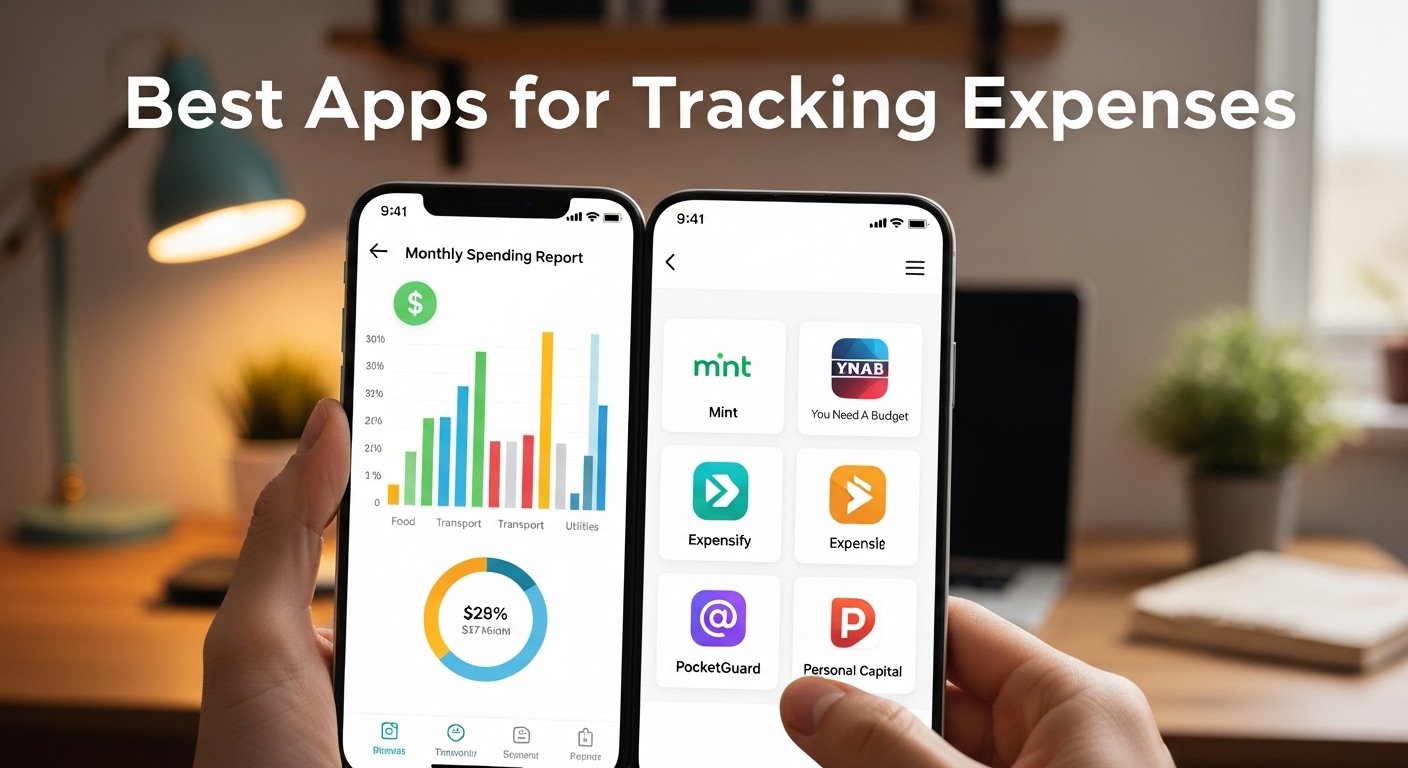
You do not know where your money goes each month. Receipts pile up and you lose track of spending. You have no idea how much you actually spend.
Expense tracking apps help you monitor spending automatically. They categorize transactions and show spending patterns. Finding the best apps for tracking expenses helps you take control of your finances.
This guide covers top expense tracking apps. We look at features, pricing, and which apps work best for different needs. Let’s track your expenses.
Key Takeaways
- Understand why expense tracking matters.
- Learn what to look for in expense apps.
- Compare top expense tracking apps.
- Find out how to use apps effectively.
- Get tips for consistent tracking.
- Learn common expense tracking mistakes to avoid.
Why Expense Tracking Matters
Tracking expenses reveals spending habits.
Tracking Benefits
| Benefit | Impact |
|---|---|
| Spending awareness | Know where money goes |
| Budget creation | Set realistic limits |
| Savings increase | Find areas to cut |
| Financial goals | Track progress |
What to Look For
Choose apps with these features.
Key Features
- Automatic syncing: Connect bank accounts
- Categorization: Sort expenses
- Budgeting: Set spending limits
- Reports: Visualize spending
Top App Options
Compare these expense tracking apps.
App Options
- Mint: Free comprehensive tracking
- YNAB: Budget-focused
- Personal Capital: Investment tracking
- PocketGuard: Simple interface
Using Apps Effectively
Get the most from your expense app.
Effective Use Tips
- Review transactions weekly
- Adjust categories as needed
- Set realistic budgets
- Use alerts for overspending
Conclusion
Finding the best apps for tracking expenses helps you take control of your finances. Good apps make tracking automatic and easy.
Start by choosing an app that fits your needs. Connect your accounts and set up categories. Review your spending regularly.
Expense tracking is an investment in your financial awareness. Start tracking your expenses today.
FAQ
What are the best apps for tracking expenses?
Mint is best for free comprehensive tracking. YNAB is best for budgeting. Personal Capital is best for investment tracking. PocketGuard is best for simple expense tracking. Choose based on your specific needs and preferences.
Are expense tracking apps safe?
Most reputable apps use bank-level encryption and security. They use read-only access to your accounts. Check for security certifications before connecting accounts. Use strong passwords and two-factor authentication.
What are common expense tracking mistakes?
Not tracking cash expenses. Forgetting to categorize transactions. Not reviewing spending regularly. Setting unrealistic budgets. Not adjusting categories as spending changes. Giving up after missing a few days.
How do I choose an expense tracking app?
Consider whether you need free or paid features. Check if it connects to your banks. Look for automatic categorization. Test the user interface. Read reviews from other users. Try free trials before committing.
How do I stay consistent with expense tracking?
Set a daily reminder to review transactions. Make it part of your routine. Use automatic syncing to reduce manual entry. Celebrate tracking milestones. Find an accountability partner. Keep it simple to avoid burnout.
What are common expense tracking mistakes?
Not tracking cash expenses. Forgetting to categorize transactions. Not reviewing spending regularly. Setting unrealistic budgets. Not adjusting categories as spending changes. Giving up after missing a few days.